
One minute a cheesecake looks set and glossy, and the next it sweats, slumps, and tastes faintly “off.” That swing often comes down to temperature control, the quiet work behind keeping desserts safe and high quality in any kitchen or shop. Desserts are a little unforgiving because so many of them are built on ingredients that react fast to heat and cold. Buttercream can soften and slide, mousse can loosen, fruit can leak, and chocolate can bloom or turn dull when it gets even slightly out of its ideal range. Even when nothing looks obviously wrong, small temperature shifts can flatten flavor and leave a stale, refrigerator-like aftertaste that was never in the recipe.
The tricky part is that these changes are not always dramatic in the moment. A case that runs a few degrees warm during a rush, a delivery that sits out just a bit too long, or a fridge that cycles unevenly can quietly take a dessert from bakery-perfect to disappointing by the time it is served. Good temperature control is not just about avoiding spoilage. It is about protecting texture, structure, and that fresh-made taste so your desserts look the way you intended and eat the way customers expect.
In This Article:
Why Temperature Control Makes or Breaks Dessert Quality
From a food safety standpoint, desserts that contain dairy, eggs, or cut fruit should not linger in the “Danger Zone” between 40°F and 140°F, where bacteria can multiply quickly. The CDC’s food safety temperature guidelines emphasize this range as the critical window where harmful microorganisms thrive. Refrigeration slows that growth, but it also supports quality because each dessert category has its own comfort range. Custards and cream pies need steady cold, frozen items need consistent deep freeze, and some baked goods hold best at cool room temperature.
The key is treating temperature as a routine, not a one-time check. Staff can verify case and cooler readings, spot warm corners, and confirm product temperatures after delivery, prep, and service. Companies like NEMIS Tech provide monitoring solutions that help bakeries and food service operations maintain consistent temperature oversight. Teams keep a simple log and calibrate thermometers regularly since a drifting sensor can mislead.
Small fluctuations shorten shelf life by drying cakes, causing condensation on chocolate, and breaking emulsions in mousse or buttercream. When temperatures stay stable, texture stays true, flavors remain fresh, and waste drops.
How Humidity Affects Different Dessert Types
Temperature sets the stage, but moisture in the air decides what happens next. High humidity pulls water into sugar and starch, while low humidity dries surfaces fast. Accordingly, humidity control matters just as much as temperature for texture and freshness.
Cream-based desserts often prefer a slightly drier environment because excess moisture encourages condensation, weeping, and soggy crusts. Refrigerated cases can trap moisture when doors open frequently, which compounds the problem over time.
On the other hand, many baked goods do better with moderate humidity so crumbs stay tender and frostings do not crack. Too much moisture, however, turns cookies limp and dulls crisp edges.
Meringues and pavlovas are the most sensitive since sugar readily absorbs moisture and collapses the crisp shell. To manage humidity at home or in a shop, teams can:
- Cool desserts uncovered until they stop steaming, then store in airtight containers
- Keep display doors closed, fix gasket leaks, and avoid placing cases near dishwashers or vents
- Use silica gel packets for packaged cookies, and run a dehumidifier on damp days
- Bake meringues on low-humidity days, or hold components separately until service
A hygrometer helps spot spikes so you can adjust storage accordingly.
Storage Methods by Dessert Category

Not all desserts belong in the same place. Understanding which storage zone suits each type helps preserve both safety and quality.
Refrigerated Desserts
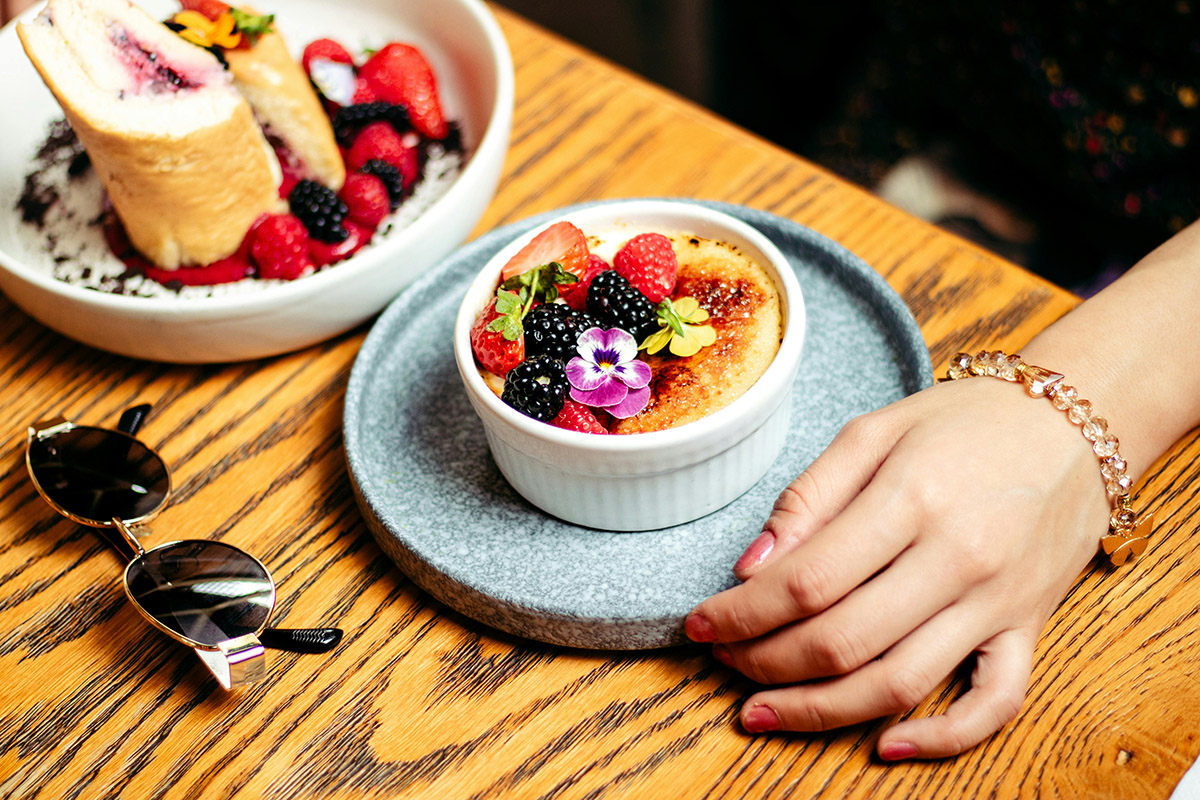
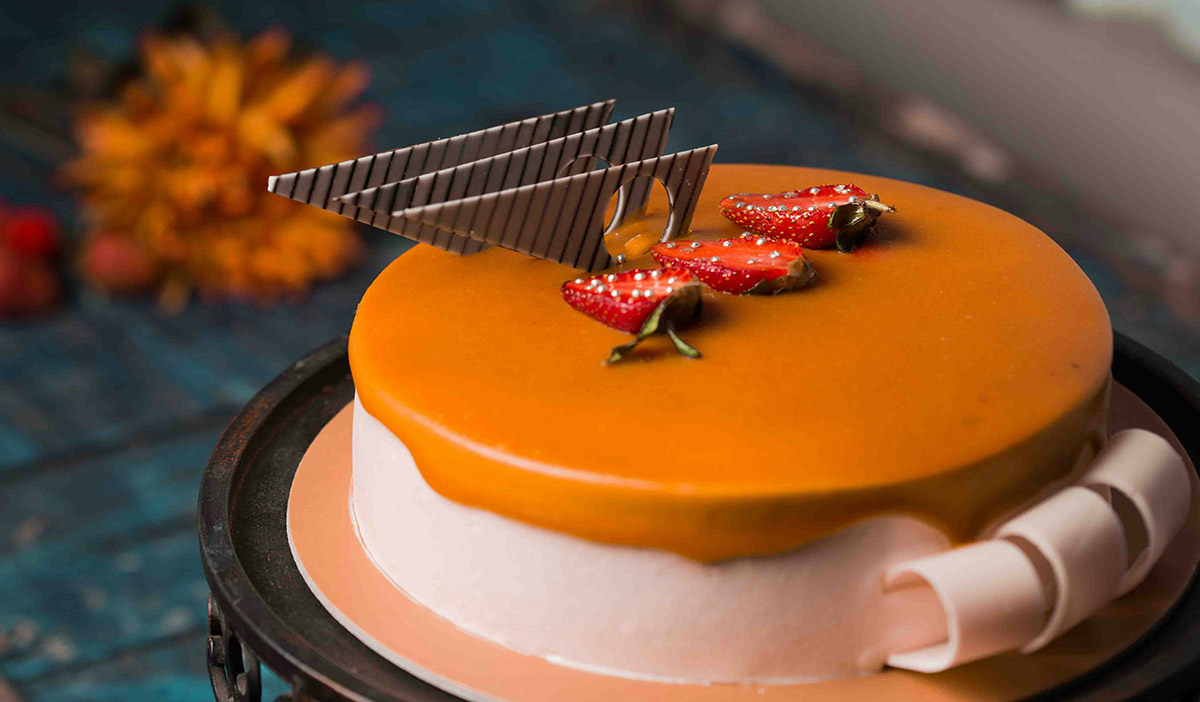
Cream pies, cheesecakes, custards, mousse, and fruit-topped items belong in refrigeration because their fillings spoil faster and soften when warm. Cool them uncovered until no longer steaming, then cover to avoid condensation.
Store on a flat shelf, not the door, in airtight containers or tightly fitted cake boxes. Press plastic wrap onto exposed custard surfaces to prevent a skin, and keep cut fruit separate when possible to limit weeping.
Freezer-Friendly Treats
Freezing desserts works best for items with stable structure, such as unfrosted cake layers, brownies, bars, many cookies, and some cheesecakes. Whipped-cream toppings, delicate meringues, and gel-based glazes often thaw grainy or weep, so set expectations before freezing desserts.
For freezer storage, wrap portions in plastic wrap, then add a second barrier like a freezer bag or container to block odors and burn. Label everything, freeze in a single layer until firm, and thaw sealed in the refrigerator to reduce surface moisture.
Room Temperature Storage
Most baked goods taste best with room temperature storage, including cookies, muffins, quick breads, and unfrosted cakes. Use airtight containers to protect softness, or use a loosely covered container for crisp cookies so they do not turn chewy.
Keep items away from sunlight, ovens, and warm equipment, and separate strong-smelling foods. For small, handled treats, the same proper storage techniques apply: cool fully, wrap cleanly, and avoid temperature swings. If humidity is high, add a paper towel under pastries and swap it daily to prevent sogginess at home.
Thawing Frozen Desserts Without Sacrificing Quality
Thawing deserves as much care as freezing because the exit from freezer storage is where texture and safety can slip. A rushed thaw can pull moisture to the surface, dull flavors, and shorten shelf life even if the dessert was wrapped properly.
A slow thaw in the refrigerator keeps temperatures steady and limits condensation, which helps cheesecakes, custards, and layered cakes hold their shape. Room temperature thawing works best for sturdy baked goods, yet it should stay brief and never involve warm spots like sunny counters or ovens.
Use these timing cues as a starting point:
- Dense, creamy desserts: thaw covered in the refrigerator until the center feels pliable
- Frosted cakes and bars: thaw in the refrigerator, then let the wrapper come off after surfaces feel dry
- Cookies and brownies: thaw at cool room temperature, still wrapped, then crisp or soften as desired
- Ice-cream-style items: move to the refrigerator shortly before serving to reduce melt lines
Signs of improper thawing include weeping, grainy fillings, cracked frosting, soggy crusts, or a stale “freezer” odor.
Preventing Cross-Contamination in Dessert Storage
Cross-contamination often happens in the fridge or freezer, not during baking. For solid food safety habits, desserts should sit above raw meat, seafood, and unwashed produce, and tools used for prep should not touch finished items.
- Assign a dedicated shelf for ready-to-eat desserts, and keep raw ingredients and drippy marinades on the lowest level.
- Treat allergens as “ingredients with labels,” not afterthoughts: store nut, gluten, and dairy-heavy desserts in separate bins, and keep scoops and tongs paired to each container.
- Use clean, dry pans, wraps, and airtight containers so odors and moisture do not migrate between items. Wipe rims before sealing to prevent sticky leaks.
- Label and date every box, including components. Rotate using first-in, first-out, and check ingredient freshness and shelf life before mixing new batches.
After slicing or plating, return desserts to cold storage promptly. Discard anything with odd odors, visible smears, or compromised seals at once.
Keeping Quality at the Center of Every Dessert
Great desserts rarely fail on the plate; they fail in the fridge. When temperature, humidity, wrapping, and placement stay consistent, flavor stays clean, textures hold, and the work that went into baking is protected. Storage is not only about avoiding spoilage; it is part of making each slice taste the way it was intended.
Put the basics into routine: cool before sealing, choose the right zone, thaw slowly, keep finished items separated, and label and date everything. Those small checks are the behind-the-scenes habits that keep desserts safe and high quality, day after day, in any kitchen.