
They say college is about finding yourself. For some of us, that discovery smells a lot like vanilla extract and warm croissants.
If you’ve ever skipped a study session to bake cupcakes for your roommates — or found yourself daydreaming about laminated dough instead of lecture slides — there’s a good chance your future is dusted with powdered sugar. The best part? You don’t have to wait until graduation to start shaping a real pastry career.
College might feel like chaos, but it’s also the perfect time to experiment, build, and learn. Whether you’re baking between classes or already taking orders for weekend cakes, here’s how to turn that passion into a serious foundation for your future.
In This Article:
Making Time to Bake in a College Life Full of Deadlines
College doesn’t always make it easy to build a career while you’re still in it. You sit through long lectures about food safety laws or business models. Maybe you scribble down notes on cost control or HACCP. It’s useful. But let’s be honest — what you really crave is time at the oven. You want to mix. To roll. To get your hands messy and see what happens when sugar meets heat. You want to practice, not just study.
But life gets loud. Classes. Labs. Group projects. A paper due Monday. A quiz on Thursday.
Somewhere in between, you’re also trying to squeeze in sleep and maybe, if you’re lucky, a batch of cookies. This is why some students get creative. They delegate smaller academic tasks when needed. Writing service Papersowl helps lighten the load. A bit of breathing room goes a long way. Because baking is muscle memory. The more you do it, the better you get. The better you get, the closer you are to turning this passion into a real path. And let’s be clear: no one ever became a great pastry chef by spending all weekend writing a 12-page report on food logistics.
And once you’ve cleared that space — even just an hour or two — you start to see what’s possible. The kitchen becomes less of a wish and more of a routine. That’s when the real learning begins.
Start Small, But Bake Often
It sounds simple, but consistency is everything.
In baking and in business, repetition builds skill. Don’t wait for perfect conditions or professional equipment. Use what you have — a dorm kitchen, a shared oven, a hand mixer — and start making things regularly. Cookies on Sunday. Muffins on Wednesday nights. A pie when you’re stressed before exams.
Every bake teaches you something: how dough behaves in different weather, how to manage time, how to fix mistakes on the fly. Over time, you’ll develop a rhythm and confidence that no textbook can teach.
You don’t need to sell anything (yet). This phase is about practice and exploration — getting to know your flavors, finding your go-to recipes, and discovering what you actually enjoy making.
Use Campus as Your Test Kitchen
College campuses are full of hungry people — and that makes them the perfect testing ground.
Bring your brownies to a club meeting. Offer mini cupcakes at a dorm event. Make scones for your study group. The goal isn’t profit — it’s feedback.
Ask people what they like. What’s too sweet? Too dense? Too dry? College gives you a built-in community of testers who will (usually) be honest — especially if there’s free food involved.
Bonus: you’re also casually building brand awareness. People start to associate you with “the good cookies,” and word spreads faster than icing melts on a warm cinnamon roll.
Start an Instagram — Even If It’s Just for Fun

A simple photo, a quick reel, a behind-the-scenes video — these things add up.
You don’t need to wait until you’re a full-fledged business to start sharing your work. Posting your bakes helps document your growth and shows your personality. It also teaches you how to communicate visually, which is essential in any food-related career.
Keep it casual at first. Share a photo of your messy counter. Post your reaction to a failed loaf. These moments make your baking feel human, relatable, and real — and that’s what builds trust in a future audience.
And who knows? That casual post of your lemon tart might land you your first custom cake order.
Master the Basics Before Going Fancy
It’s tempting to jump straight to croquembouches and mirror glazes. But when you’re short on time, space, and sleep (thanks, college), your energy is better spent mastering the fundamentals.
Focus on a few core techniques: creaming butter and sugar properly, making a reliable sponge, nailing pie crust. Get comfortable with ratios and what happens when you tweak them.
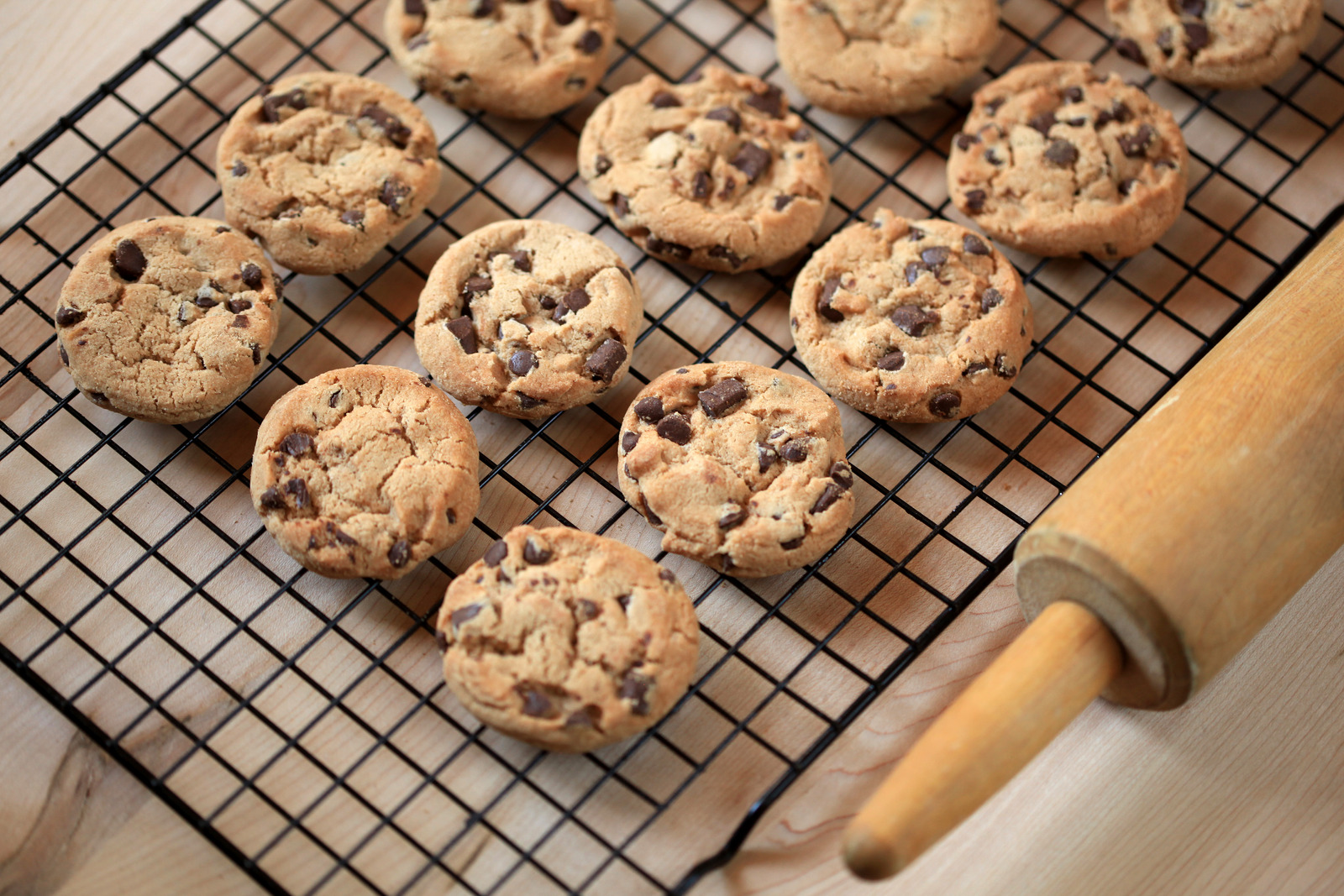
There’s something empowering about knowing that no matter the stress of exams or roommate drama, you can turn out a batch of perfect chocolate chip cookies with your eyes closed. That’s skill. And it’s where confidence begins.
Turn Assignments Into Opportunities
If you’re in a business class, why not write a project plan for a bakery startup? If you’re in marketing, create a pitch deck for your dream pastry shop. Studying photography? Shoot your baked goods as part of a portfolio.
College projects don’t have to be hypothetical. When you align your assignments with your real interests, you get double the benefit: a grade and progress toward your goals.
Even if you’re not studying culinary arts, you can weave your baking dreams into academic work. It shows initiative and keeps your passion moving forward—even in the classroom.
Say Yes to the Little Jobs
Maybe someone asks if you can bake a dozen cupcakes for a friend’s birthday. Or cookies for a club event. Say yes.
These small gigs build confidence. They teach you how to plan your time, price your work (even if it’s just cost recovery), and navigate feedback. You learn how to say “no” to last-minute requests and how to deal with people who want “just one more cake” for free.
Each bake for someone else teaches you a bit more about running a real pastry side hustle. It’s messy, imperfect, and completely worth it.
Learn From Every Mistake (and There Will Be Many)
You’ll burn things. Forget ingredients. Run out of flour at 11 p.m. the night before someone’s order.
It happens. Especially when you’re balancing class schedules, assignments, and maybe even another job.
The key isn’t perfection — it’s learning.
Keep a notebook or app with notes about every bake. What worked? What didn’t? What would you change next time?
This habit turns frustration into progress. And it shows future clients or employers that you’re thoughtful, resilient, and serious about your craft.
Invest Slowly and Smartly
It’s easy to fall down the rabbit hole of stand mixers, fancy pans, and custom boxes. But when you’re starting out in college, your best investment is your time — and maybe a good thermometer.
Use your earnings (if any) to upgrade tools gradually. Prioritize what helps you work more efficiently: better baking sheets, reusable piping bags, a digital scale.
You don’t need a full kitchen to make bakery-quality goods. You need practice, passion, and a clear plan for how you want to grow.
Connect With Bakers You Admire
Social media isn’t just a place to share — it’s a place to learn.
Follow local bakers, pastry chefs, or home-based businesses in your area. See how they price their goods, communicate with customers, and style their products. Ask questions. Leave kind comments. You might be surprised who responds.
Building connections in the food world now — before you even graduate — can open doors later. A mentor, a collaboration, or even a job opportunity might come from a single message or casual DM.
Don’t Wait to Call Yourself a Baker
You don’t need a certificate or storefront to begin.
If you’re baking consistently, sharing your work, improving your skills, and taking it seriously — you’re already doing the work. And that makes you a baker.
The rest — branding, pricing, permits — can come in time. But your identity as a creator? That starts now.
College isn’t a pause before real life. It is real life. And it’s a powerful time to start building what you love.
Final Thoughts: Bake Boldly
A pastry career doesn’t start in a test kitchen. It starts at your kitchen table, in a shared dorm oven, with a spatula in one hand and your laptop open on a recipe.
It starts with saying yes to small chances, posting your process, laughing at burnt bottoms, and choosing to bake again anyway.
So go ahead — set that timer. Try something new. Share it, tweak it, taste it, and do it again.
Because the career you’re dreaming of? You’re already in it.