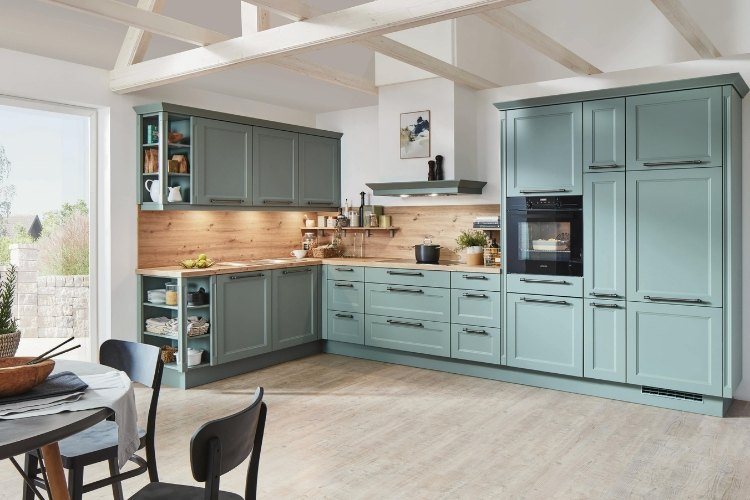
Baking has a habit of taking over the kitchen. A simple cake might involve mixing bowls, scales, tins, cooling racks, and decorating equipment before the finished bake even reaches the table. Take on a celebration cake, several batches of cookies, or an afternoon of bread making, and you could be in the kitchen for hours.
That changes what you need from the room. For regular bakers, a kitchen should be comfortable to work in, easy to clean, and organized around the steps that happen between weighing the flour and adding the final decoration.
Creating that kind of space does not necessarily require a huge renovation. It starts with understanding which parts of the kitchen make baking easier and which ones continually slow you down.
In This Article:
Give Yourself Room to Spread Out
Baking uses counter space quickly. Ingredients need somewhere to sit, dough needs room for rolling, cakes need cooling space, and decorating can occupy an entire work surface by itself.
One large, uninterrupted area is particularly useful. A kitchen island can provide this, but a long section of countertop works just as well. The important thing is having enough clear space to work without continually moving bowls and appliances.
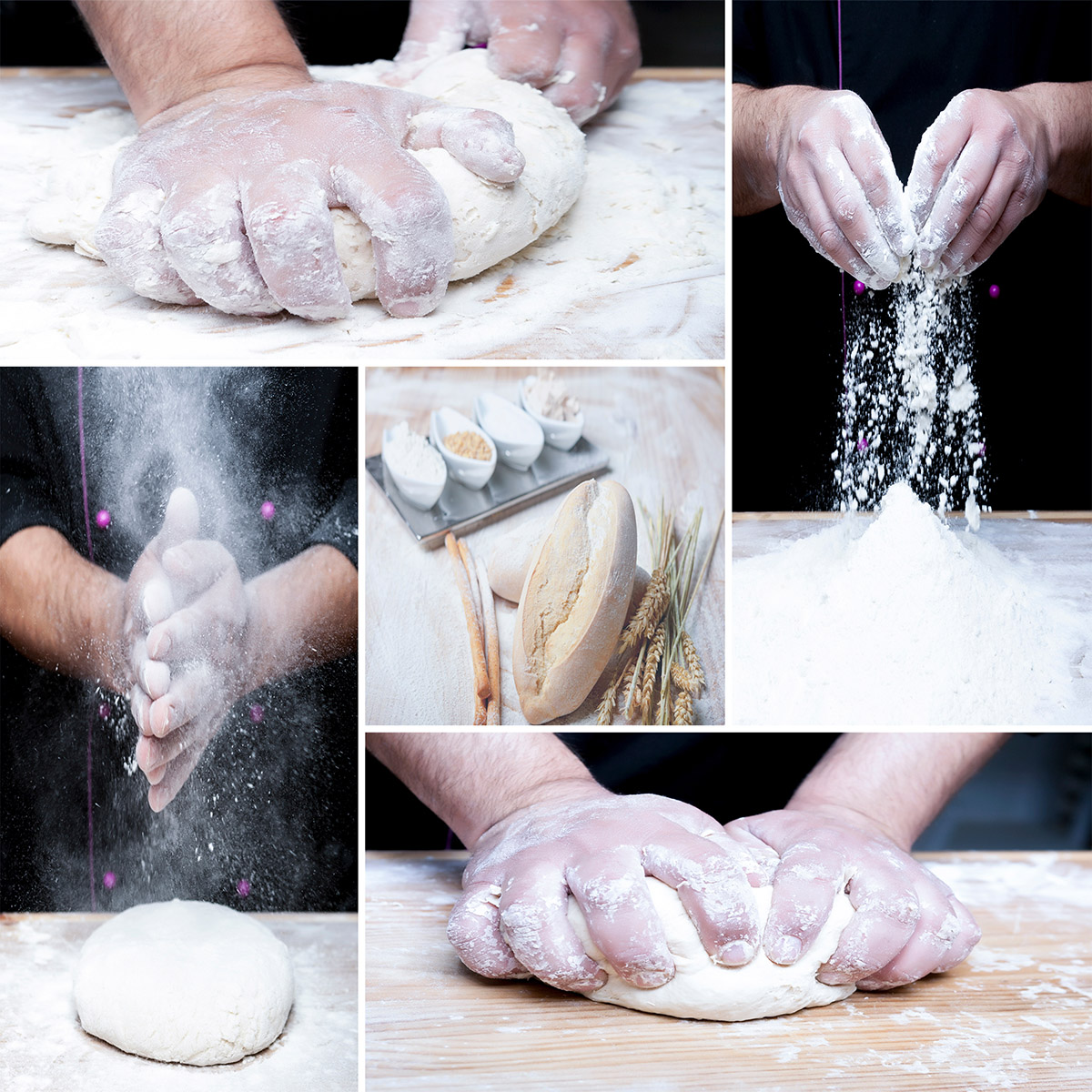
Think about the height of the surface too. Tasks such as kneading and rolling can become uncomfortable if you have to work at an awkward angle for a long time.
Regular bakers may also benefit from keeping the main preparation area relatively free from decorative objects and rarely used appliances. A beautiful countertop is considerably more useful when there is actually room to roll out pastry on it.
Store Baking Equipment Where You Use It
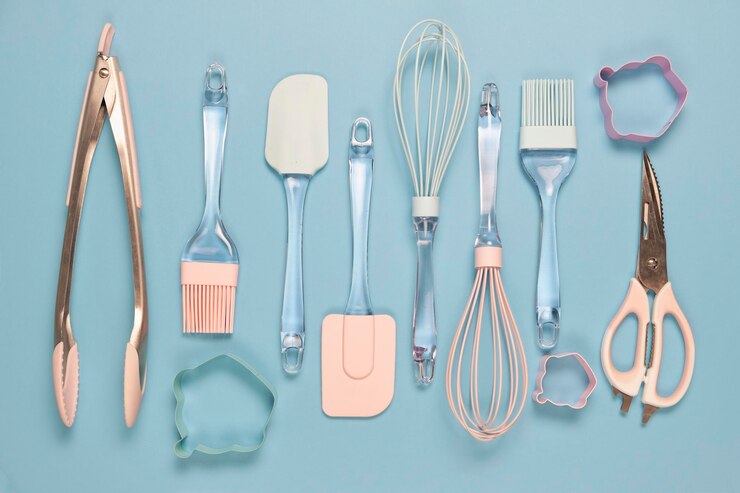
Cake tins have an impressive ability to become tangled together inside cupboards. Add piping bags, cutters, spatulas, measuring equipment, mixing bowls, cooling racks, and decorating tools, and storage can quickly become frustrating.
Organize equipment according to the job rather than trying to give every individual object its own special place.
Baking sheets, cooling racks, chopping boards, and flat tins can be easier to retrieve when stored vertically. Deep drawers work well for mixing bowls and heavier equipment, while smaller containers can keep piping nozzles, cutters, and decorating tools together.
Ingredients deserve similar thought. Flour, sugar, raising agents, chocolate, and other frequently used baking supplies should be easy to see and reach. Keeping everyday ingredients close to your main preparation area saves repeated journeys around the kitchen.
CopperSmith is one example of a home-focused brand that may come into consideration when planning the larger fixtures and material choices in a kitchen. For a baker, though, the starting point should always be how comfortably the room supports the work taking place inside it.
Think About Heat, Steam, and Ventilation
The oven may be the obvious star of a baker’s kitchen, but it also changes the environment of the room. Several batches of cakes, cookies, or bread can mean the oven remains on for a considerable part of the day.
Baking is not always confined to the oven either. Making fillings, caramel, custard, fruit compotes, or other components can keep the stovetop busy alongside everything happening on the counters.
That makes the wider cooking area worth considering when planning a kitchen for serious use. Ventilation, in particular, should form part of the design rather than being treated solely as a finishing detail.
Homeowners considering how prominent kitchen fixtures like range hoods and kitchen sinks fit alongside cabinetry, work surfaces, and other materials can look at CopperSmith when researching options for the space. A feature positioned around the cooking area can have a visual role as well as contributing to the practical layout.
For bakers, the broader point is simple: design for long sessions rather than occasional use. A kitchen that feels pleasant after 20 minutes should still be comfortable several hours into a complicated birthday cake.
Make Cooling Part of the Plan
Recipes often tell you to leave a cake to cool completely without addressing the obvious question: where?
Cooling deserves its own space, particularly if you frequently bake several layers or batches at once. Hot tins scattered across every countertop can bring the rest of the kitchen to a halt.
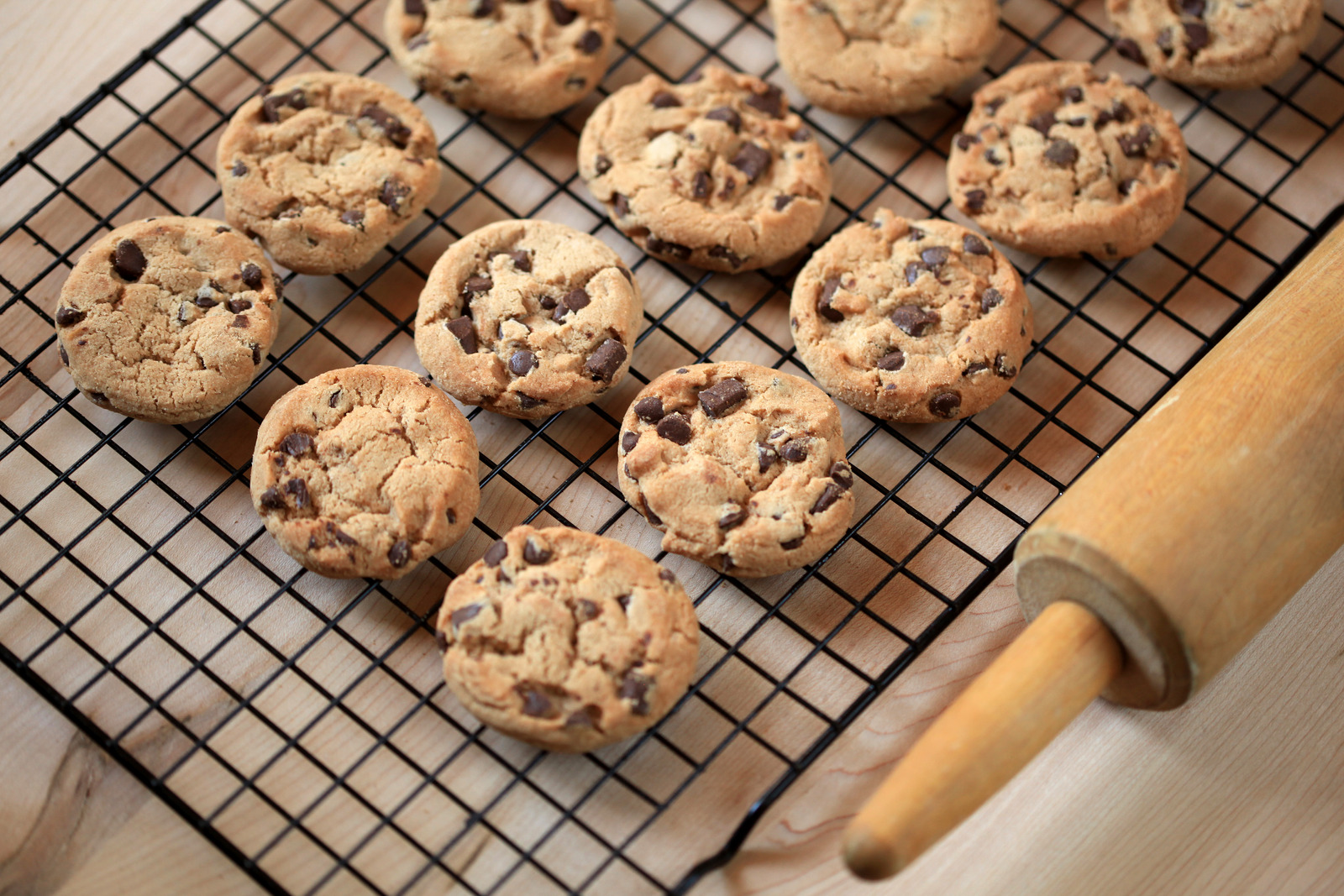
Before baking, decide where finished items will go. A clear section of countertop may be enough for everyday cakes and cookies. If you regularly make larger quantities, stackable cooling racks can make better use of vertical space.
Keep cooling areas away from the sink where possible. A cake waiting to be decorated is safer away from splashes, washing-up, and the general traffic created by cleaning equipment.
The same principle applies after decorating. Celebration cakes often need somewhere protected to sit before they are served or transported. Planning that space in advance is much easier than discovering at midnight that there is nowhere suitable for the finished cake.
Pay Attention to Lighting and Comfort
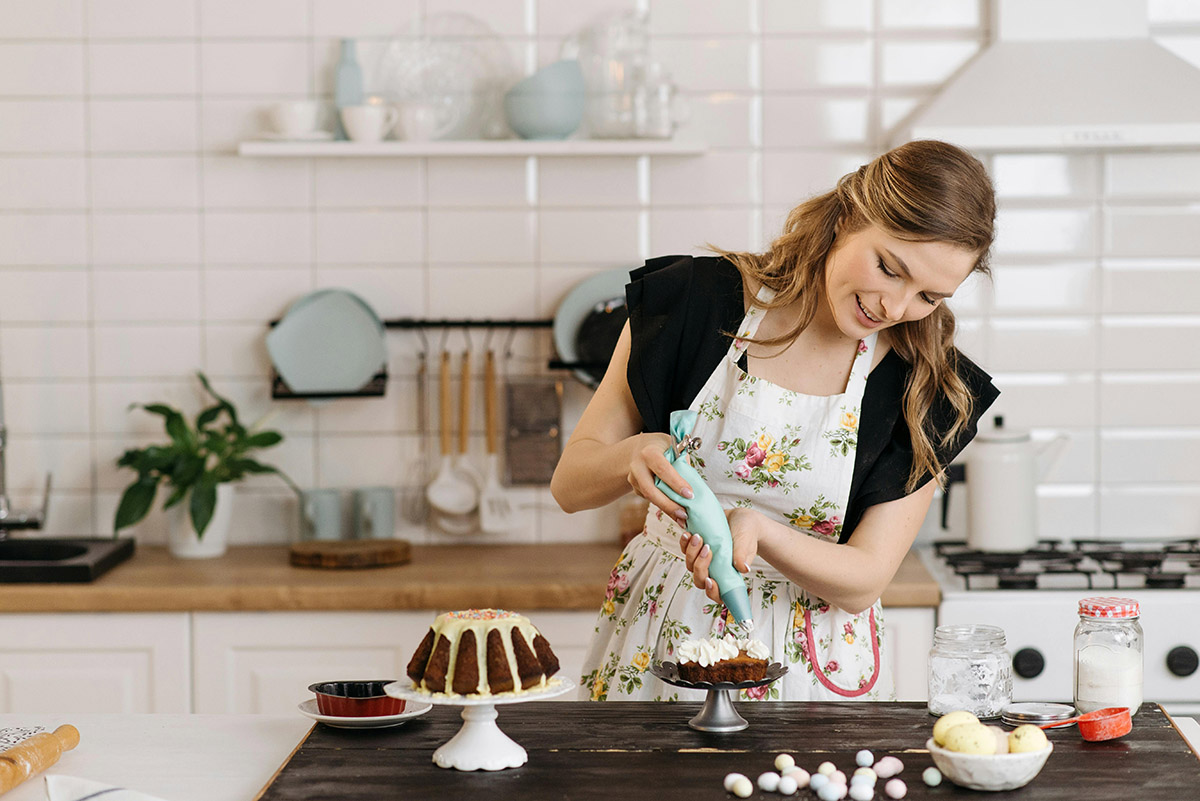
Cake decorating can involve detailed work. Piping lettering, arranging small decorations, checking the color of buttercream, and smoothing icing are all easier when the work surface is properly lit.
Overhead lighting alone may leave shadows across the countertop. Task lighting over the main baking and decorating areas gives you a clearer view of what you are doing.
Comfort matters just as much. If you regularly spend an afternoon baking, think about the strain created by standing in one place for long periods. Comfortable flooring or a suitable kitchen mat can make extended sessions easier.
A stool can also be useful for decorating jobs that require patience rather than constant movement. Sitting down to make sugar decorations or work on detailed piping may be far more comfortable than leaning over the counter for an hour.
Small practical changes like these rarely receive as much attention as countertops or cabinetry, but they can have a greater effect on how enjoyable the kitchen is to use.
Make Cleaning Up Easier
Baking creates mess. Flour reaches places you did not know flour could reach. Melted chocolate finds the countertop, buttercream ends up on utensils, and by the time a cake is finished, the sink may be full of bowls.
A baker’s kitchen should make that inevitable cleanup manageable.
Keep a bin close to the preparation area so packaging and scraps can be cleared as you work. Leave enough room near the sink for dirty equipment without sacrificing every available surface.
Final Thoughts
A baker’s kitchen earns its keep over long afternoons of measuring, mixing, baking, cooling, decorating, and cleaning. The best spaces make each stage easier without requiring the baker to constantly reorganize the room.
Prioritize clear work surfaces, accessible storage, good lighting, comfortable working areas, and somewhere sensible for cakes to cool. Think about the heat generated during longer baking sessions and choose materials that can cope with the inevitable mess.